


How Beginner Day Traders Should Prepare Before Working With a Professional Broker
- Paul Nawrocki
- Sep 4, 2025
- 4 min read

Introduction: The First Step Into Professional Day Trading
Day trading is exciting, fast-paced, and full of opportunity. Many beginners dream about accessing the same tools and buying power that professional traders use. However, before you open an account with a broker that provides leverage and advanced platforms, you must be prepared. Professional brokers are not casual intermediaries—they expect traders to follow strict rules, demonstrate discipline, and protect both their own and the broker’s capital.
This guide explains how new traders should prepare before applying to a professional day trading broker, what buying power means, and how to meet the expectations that come with leverage.
Understanding Buying Power: What It Really Means
What Is Buying Power in Day Trading?
Buying power is the capital available to you for making trades. With a regular retail account, you only trade your deposited funds. With a professional broker, your account is leveraged—meaning the broker gives you access to more money than you actually deposit.
For example:
Deposit: $5,000
Intraday Buying Power: $25,000 (5:1 leverage)
This allows you to open larger positions and potentially increase profits.
Why Brokers Provide Buying Power
Professional brokers extend buying power to attract serious traders who generate volume and commissions. But in exchange, they impose risk controls. They don’t want reckless traders who can blow up accounts in one day.
Performance Bond and Margin Requirements
When working with a professional broker, you’ll hear terms like Performance Bond or Initial Margin. This is your security deposit—the amount of capital you must maintain to use buying power. Breach it, and your trading access is restricted.
Broker Requirements: What They Expect From You
Professional brokers don’t just hand out leverage. They want to see that you are:
Technically competent (able to use the platform without costly mistakes).
Disciplined (following strict risk management).
Process-oriented (keeping trade logs, pre-market plans, and reviews).
Financially reliable (able to pay platform and data fees).
Typical Requirements From Brokers
Minimum deposit or performance bond (e.g., $1,000–$5,000).
Subscription to data feeds and platform licenses ($100–$200 per month).
Proof of experience or completion of an evaluation phase.
Strict daily loss limits and max drawdown rules.
Mastering the Trading Platform Before Going Live
Why Platform Mastery Is Non-Negotiable
Professional brokers offer advanced trading platforms such as Sterling Trader Pro, DAS Trader, Lightspeed, or Interactive Brokers’ Trader Workstation. These platforms are designed for speed, flexibility, and institutional-level trading. But they are not beginner-friendly.
How Beginners Should Train on Platforms
Start in simulation mode. Execute 200–500 practice trades until order entry becomes automatic.
Configure hotkeys. Speed matters—hotkeys for entries, exits, and cancels prevent errors.
Set up layouts. Organize charts, Level II windows, order tickets, and news feeds.
Practice risk tools. Learn how to place stop-loss and take-profit orders quickly.
Making mistakes in simulation is free. Making them with real buying power can cost your career.
Building a Track Record: Prove You’re Ready
Why a Track Record Matters to Brokers
A broker giving you buying power wants to see evidence that you can trade responsibly. Even if they don’t formally require it, you should build a track record in a trading simulator or a paper account.
How Long Should You Trade in Simulation?
Minimum: 1–3 months of consistent practice.
Better: 6 months of positive expectancy (your average profits exceed losses).
Best: Documented performance logs with screenshots, P&L reports, and trade journals.
What to Track in Your Journal
Entry and exit rationale.
Screenshots of charts.
Risk per trade (in dollars and R multiples).
Daily P&L (profit and loss).
Lessons learned after each session.
This record proves to both yourself and your broker that you are more than a gambler pressing buttons.
Risk Management: The Core of Professional Trading
Why Risk Management Comes First
Buying power magnifies results in both directions. It can turn a small win into a big win—but also a small mistake into a devastating loss. That’s why professional brokers enforce risk controls and why beginners must master them before applying.
Risk Rules Every Beginner Should Practice
Maximum Daily Loss: Stop trading after hitting a predetermined amount (e.g., 2% of account value).
Per-Trade Risk: Never risk more than 0.5R–1R (R = risk unit, e.g., $50–$100).
Hard Stop-Loss Orders: Every trade must have a stop-loss order entered immediately.
Capital Allocation: Don’t use all buying power at once. Scale in gradually.
Drawdown Limits: Protect your account by avoiding long losing streaks.
Broker-Imposed Risk Controls
Automatic shutdown after max daily loss.
Reduced buying power after hitting drawdown.
Account closure if rules are repeatedly broken.
Learning to respect these rules in simulation makes the transition to live trading smoother.
The Financial Side: Costs of Professional Trading
Platform and Data Fees
Professional trading is not free. Expect to pay monthly for:
Trading platform license (e.g., $50-100/month for Sterling Trader Pro).
Market data feeds (Level I & II quotes, news streams, $50–$100/month).
Exchange fees and routing fees (varies per broker).
Commissions and Rebates
Professional brokers typically charge per share or per order. Active traders can negotiate lower rates. Some routes also offer rebates for providing liquidity.
Why Costs Are Part of the Game
Think of these fees as your business expenses. Just like a restaurant pays for rent and supplies, traders pay for platforms and market access. Only those prepared for these costs can build a sustainable trading career.
Psychological Preparation: The Mindset Shift
From Casual Trading to Professional Discipline
When you accept buying power, you are no longer a casual trader. You are effectively managing borrowed money. That requires a shift in mindset:
No gambling mentality. Trading must be process-driven, not impulsive.
Accountability. Brokers and risk managers monitor your performance.
Resilience. Losing days will happen—your ability to bounce back matters.
Developing a Professional Trader’s Routine
Pre-market preparation: scanning, news review, watchlist building.
Intraday discipline: executing setups, respecting stop-losses.
Post-market review: journaling, analyzing mistakes, adjusting strategies.
Final Thoughts: Preparation Is Your Ticket In
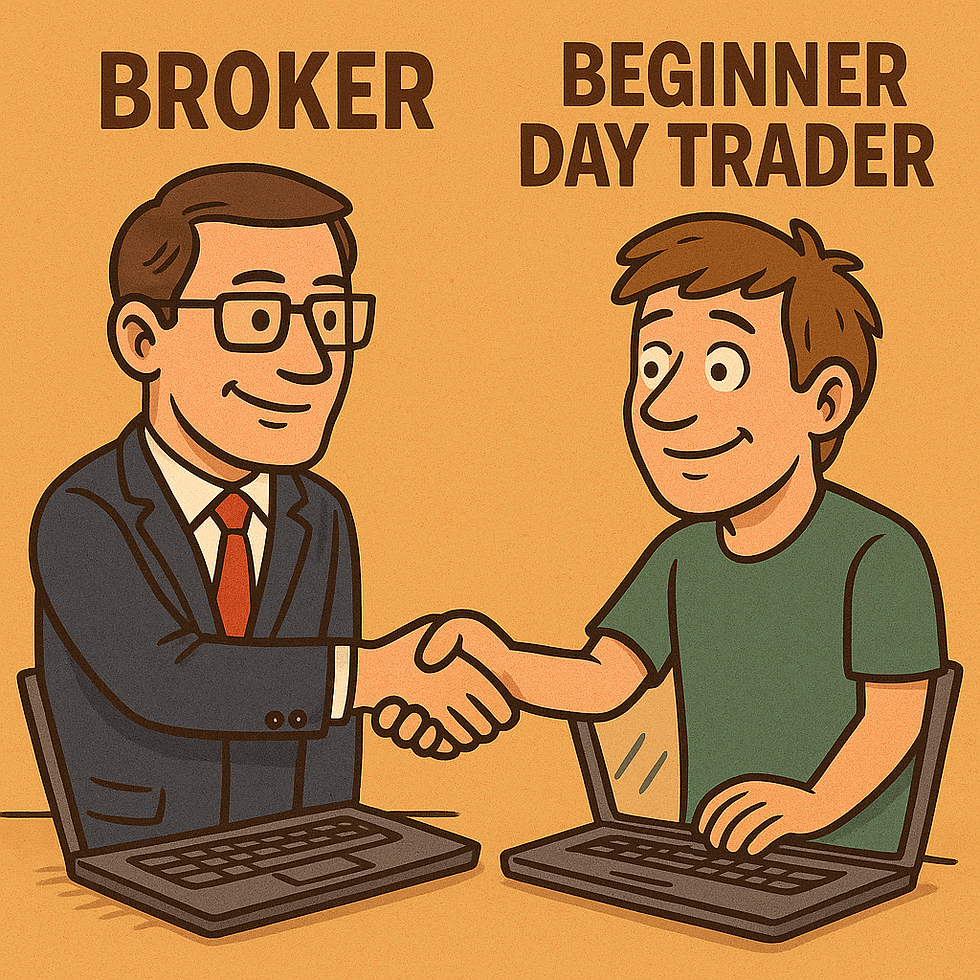
Professional brokers are not just service providers—they are business partners. They give you tools, leverage, and a platform to grow. In return, they expect you to bring discipline, responsibility, and professionalism.
As a beginner, your preparation should include:
Understanding buying power and broker requirements.
Mastering the trading platform in simulation.
Building a consistent track record.
Practicing strict risk management.
Preparing mentally and financially for the costs and responsibilities.
The bottom line: Preparation is not just advice—it’s the minimum entry requirement. Without it, you won’t get far with a professional trading broker. With it, you stand a real chance of building a successful trading career.



Comments